Wie können modulare Containerlösungen zur Nachhaltigkeit im Bauwesen beitragen?
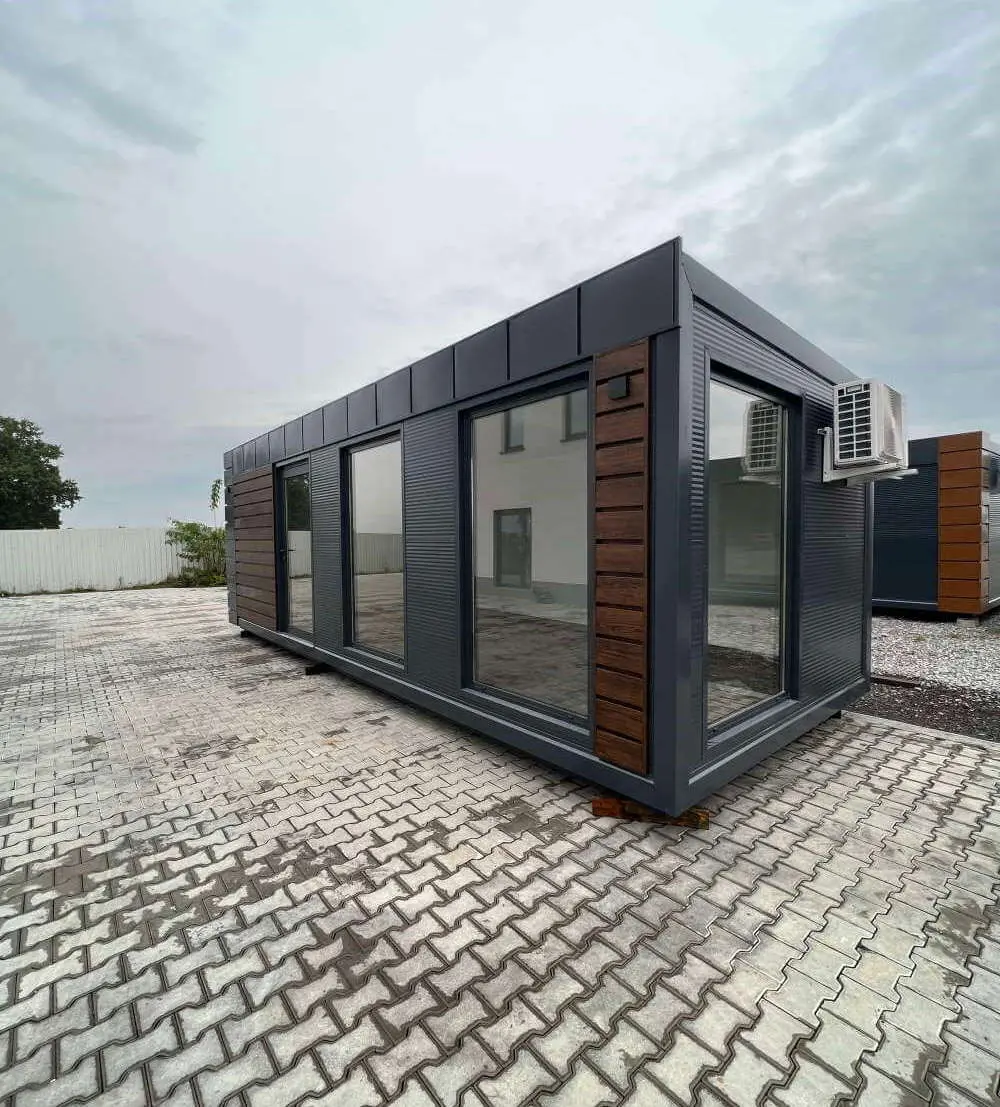
Discover how modular container solutions enable environmentally friendly construction. These innovative structures are characterized by flexibility, resource conservation, and cost efficiency, thus making a significant contribution to sustainability.
In today’s construction industry, the question of environmentally friendly and cost-efficient construction methods is increasingly important. Modular container solutions offer a promising answer. Their flexibility and reusability contribute significantly to sustainability in construction. This article explores how these innovative structures can not only protect the environment but also offer economic advantages.
Flexibility and efficiency of modular containers in construction
Modular container solutions prove to be extremely flexible and efficient in the construction industry. Thanks to their modular design, they are ideal for rapid assembly and disassembly, making them a perfect choice for time-critical construction projects. The flexibility offered by Global Home Containers allows companies to adapt their space utilization and layout requirements with minimal effort. The advantages of modular containers in construction include:
- Rapid deployment: Modular containers can be set up in a very short time, minimizing delays on construction sites.
- Cost efficiency: The reusability of the containers reduces construction costs in the long term.
- Adaptability: Containers can be easily expanded, reduced in size, or reconfigured to meet changing project requirements.
- Sustainability: Modular container solutions contribute to environmental friendliness by reducing construction waste.
With their modular design, they promote not only efficiency but also sustainability in construction.
Resource conservation and ecological benefits
Modular container solutions play a central role in resource conservation and offer numerous ecological advantages in the construction industry. Their conceptual flexibility and efficiency contribute significantly to waste reduction and environmental friendliness. Key ecological advantages of modular construction include:
- Minimized material waste: Since containers are delivered in prefabricated units, material usage is precisely calculated, resulting in a significant reduction in construction site waste.
- Reduced energy costs: Production processes in controlled environments are more energy-efficient, contributing to lower overall energy consumption.
- Shorter construction times: Faster installations mean less construction activity and therefore lower energy consumption and environmental impact.
- Reusability: Containers can be used multiple times for different projects, reducing the need for new resources and promoting sustainability.
These aspects make modular construction methods a forward-looking solution for environmentally conscious building.
Economic advantages and cost savings
Modular container solutions offer not only sustainability benefits in the construction industry but also significant economic advantages. By using prefabricated modules that can be assembled quickly and easily on-site, construction times are drastically reduced, resulting in substantial cost savings. Shorter construction times mean lower labor and operating costs, allowing for a more efficient allocation of financial resources. Furthermore, reusable materials play a crucial role. These containers are often made of robust, durable materials that can be reused multiple times, minimizing waste and further reducing construction costs. Investments in modular container solutions often pay for themselves quickly, as the reduced construction time and lower material costs lead to a more economical project execution overall, which is particularly attractive to construction companies and investors.








Kommentar abschicken